Brookline Apartment Security Tips for Students and Renters
June 30, 2025
Brookline attracts thousands of students and young professionals with its proximity to Boston, excellent public transportation, and vibrant neighborhoods. Whether you're renting near Boston University, living in Coolidge Corner, or settling into South Brookline, apartment security should be your top priority. This guide covers everything renters need to know about staying safe in Brookline apartments.
Understanding Brookline's Rental Landscape
Popular Student Areas
- South Brookline - Close to BU campus, high student concentration
- Coolidge Corner area - Graduate students and young professionals
- Washington Street corridor - Mix of students and families
- Near Green Line stops - Popular for commuter convenience
- Triple-deckers - Traditional multi-family homes
- Garden-style apartments - Lower-rise complexes
- High-rise buildings - Modern apartments with doormen
- Converted single-families - Subdivided houses
- High turnover means frequent key changes needed
- Shared housing creates multiple access points
- Valuable electronics make apartments targets
- Irregular schedules (late classes, work) affect security routines
- Limited security budgets require cost-effective solutions
- Inadequate locks on older rental properties
- Too many key copies floating around from previous tenants
- Poor lighting around apartment entrances
- Unlocked common areas in multi-unit buildings
- Package theft from unsecured mailbox areas
- Request lock rekeying - ensure previous tenants can't access your apartment
- Test all locks and windows - make sure everything functions properly
- Check door and window frames - ensure they're sturdy and secure
- Locate emergency exits - know all ways out of your building
- Document existing security features for your rental records
- Install additional security (with landlord permission)
- Introduce yourself to neighbors - build community security network
- Learn building security protocols - buzzer systems, mailbox access, etc.
- Set up mail forwarding to avoid identity theft from old addresses
- Lock rekeying for new tenancy (standard practice)
- Additional deadbolts if doors only have basic locks
- Window locks for ground-floor or accessible windows
- Improved lighting for dark entrances or hallways
- Mailbox security upgrades
- Who pays for lock changes during tenancy?
- What security improvements are tenant vs. landlord responsibility?
- Emergency contact procedures for lockouts
- Building security policies and access codes
- Door reinforcement - many older doors have weak frames
- Additional deadbolts - supplement existing locks
- Door viewers (peepholes) - see who's outside before opening
- Door jammers - portable security for added protection
- Smart locks - if landlord approves, great for key management
- Security chains - additional barrier when you're home
- Door alarms - portable devices that alert if door opens
- Window locks - essential for accessible windows
- Security film - makes glass harder to break
- Window sensors - alerts if windows are opened
- Curtains/blinds - prevent visibility of valuables inside
- Fire escape security - secure but ensure emergency access
- Airshaft windows - often overlooked but can be access points
- Sliding door security - if you have balcony access
- Individual bedroom locks - protect personal space and valuables
- Key management system - track who has access to what
- Shared area security - protect common electronics and furniture
- Guest policies - establish rules for visitors and overnight guests
- Temporary lock changes when subletting your room
- Secure personal items before temporary tenants move in
- Communication protocols with remaining roommates
- Legal protections for your belongings during sublease
- Battery-operated sensors that don't require installation
- Portable door alarms that activate when door moves
- Window break sensors for glass protection
- Motion-activated alarms for when you're away
- Portable cameras that don't require drilling or permanent installation
- Smart doorbells (if landlord permits) for package delivery monitoring
- Phone apps that control portable security devices
- Temporary smart locks that can be removed when moving
- Basic door/window alarms
- Portable door jammers
- Motion-sensor lights (battery operated)
- Security timers for lights when away
- Wireless security cameras
- Smart door locks (removable types)
- Complete alarm system kits
- Video doorbells
- Higher crime rates during move-in/move-out periods
- Package theft common due to frequent deliveries
- Party-related incidents require extra weekend security awareness
- Bicycle theft very common - secure bike storage essential
- Extra vigilant during August/September and May/June
- Coordinate with neighbors for package acceptance
- Be cautious of large gatherings and parties
- Invest in quality bike locks and indoor storage
- Business district means more foot traffic and activity
- Transportation hub creates more transient population
- Restaurant/bar area means late-night activity
- Higher rent areas may have better building security
- Take advantage of well-lit business areas when walking at night
- Use busy streets as safer routes
- Be aware of increased weekend activity
- Consider proximity to T-stop for late-night safety
- Bus route means constant traffic and activity
- Mixed residential/commercial creates varied security needs
- Diverse population requires community-building for security
- Older buildings may need more security attention
- Moving trucks and activity increase theft opportunities
- New students unfamiliar with area security needs
- Landlord transitions may create temporary security gaps
- Increased parties and social activities affect neighborhood security
- Early darkness requires improved lighting and awareness
- Snow/ice can disable security devices and lighting
- Holiday breaks when many students travel require extra precautions
- Weather emergencies may affect building security systems
- Move-out period increases theft and break-in risks
- Open windows for cooling affect security
- Vacation travel requires house-sitting or security arrangements
- Sublet transitions create key management challenges
- Check all windows and other possible entry points
- Contact roommates or people with spare keys
- Call landlord or property management
- Contact professional locksmith if needed
- Hide spare key in lockbox (with landlord permission)
- Give spare key to trusted local friend
- Consider smart lock with backup access codes
- Keep locksmith contact information easily accessible
- Do NOT enter the apartment
- Call 911 immediately
- Contact landlord/property management
- Document everything for police and insurance
- Stay with trusted friend until situation resolved
- Know manual overrides for electronic locks
- Have backup lighting (flashlights, phone lights)
- Maintain emergency contact list
- Understand building emergency procedures
- Introduce yourself to immediate neighbors
- Exchange contact information for emergencies
- Coordinate package acceptance and mail monitoring
- Share information about suspicious activity
- Participate in building meetings if they exist
- Advocate for security improvements as a group
- Share costs for security upgrades when possible
- Create informal neighborhood watch arrangements
- Register for community alerts and updates
- Attend local safety meetings and workshops
- Report suspicious activity promptly
- Learn about local crime patterns and prevention
- Use campus security escorts when available
- Report off-campus incidents that may affect other students
- Take advantage of campus safety resources and education
- Coordinate with campus security for off-campus housing concerns
- Document security features when moving in
- Remove personal security devices carefully
- Don't leave spare keys or access codes behind
- Clean security equipment before removal
- Change locks immediately if you gave keys to others
- Cancel any security services in your name
- Remove personal information from building directories
- Forward mail properly to prevent identity theft
- Door/window checks and basic reinforcement
- Portable door alarms
- Basic lighting improvements
- Neighbor relationships and community building
- Additional deadbolts (with permission)
- Portable security cameras
- Smart door locks (removable)
- Window security film or locks
- Professional security system
- Multiple smart devices
- Safe for valuables
- Professional locksmith consultation
- Right to secure housing with functioning locks
- Right to request reasonable security improvements
- Protection from landlord entry without proper notice
- Right to change locks (with proper procedures)
- Maintain security devices properly
- Don't compromise building security for other tenants
- Follow lease requirements for modifications
- Report security issues promptly to landlord
- Covers theft of personal belongings
- May provide liability protection
- Often includes temporary housing if apartment becomes uninhabitable
- Very affordable for most renters
More Marketing Tips, Tricks & Tools
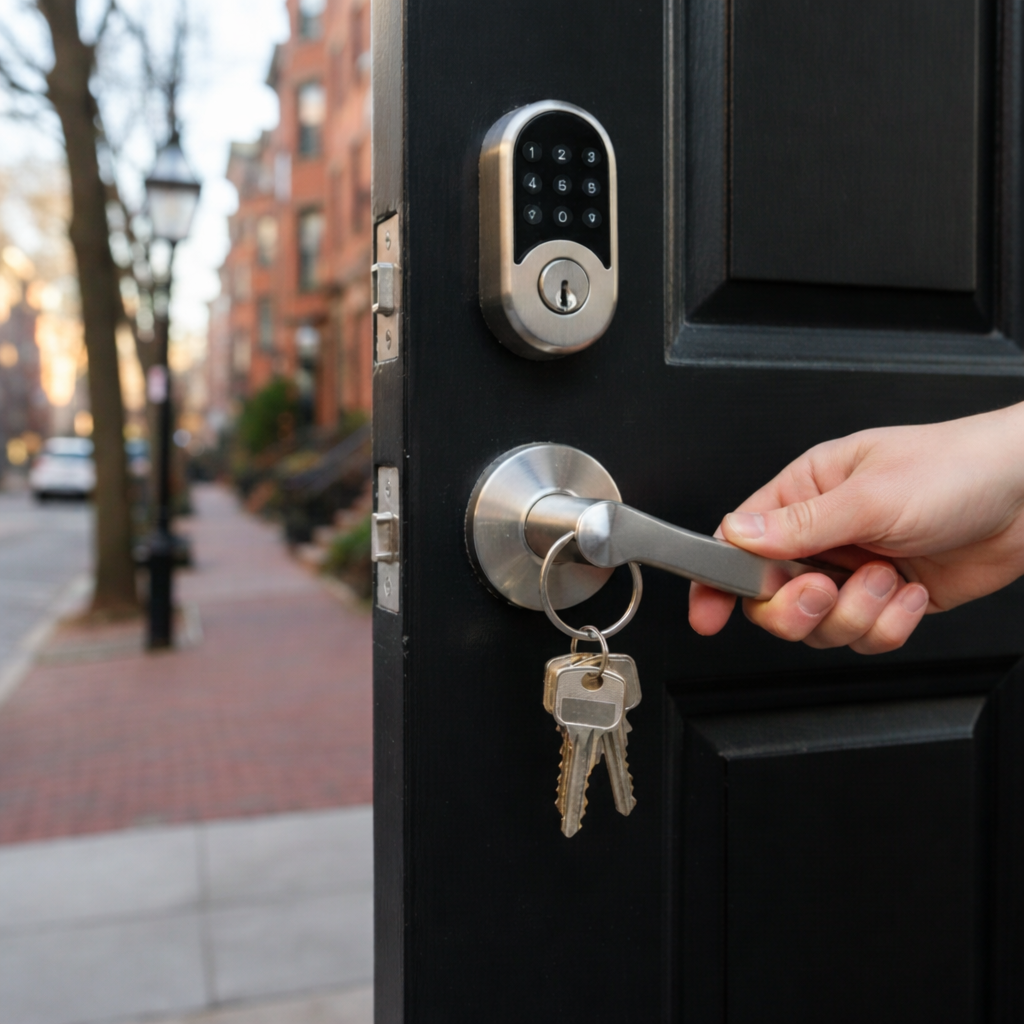
Your new Boston home should feel like a sanctuary, not a security risk. Whether you're closing on a Back Bay brownstone or settling into a triple-decker in Jamaica Plain, taking control of your home security from day one isn't just smart-it's essential. Here's the reality most new Boston homeowners don't think about: by the time you get the keys to your new place, dozens of people may have had access. Previous owners, their family members, real estate agents, contractors, cleaning crews, neighbors with "spare keys"—the list goes on. And in a city where home values average well over $700,000, leaving your security to chance just doesn't make sense. At Astro Locks , we work with new Boston homeowners every single week. We've seen it all-from folks who discovered the hard way that their "new" locks had copies floating around, to smart buyers who locked down their security before they even moved in. This guide walks you through exactly what you need to do to secure your Boston home properly, whether you're a first-time buyer in Somerville or downsizing to a condo in the Seaport.
You just bought a house in Sharon. Or maybe a tenant moved out of your rental property. Perhaps you lost track of who has keys to your business on South Main Street. Whatever the situation, you're standing there looking at your locks thinking: "Do I need to replace these entirely, or can I just rekey them?" It's one of the most common questions we get at Astro Locks, and honestly, it's a smart one to ask. The difference between rekeying and changing locks can mean hundreds of dollars in your pocket—or completely wasted if you choose the wrong option for your situation. Let's break down exactly what each option involves, what it costs in the Sharon area, and most importantly, which one makes sense for your specific situation.
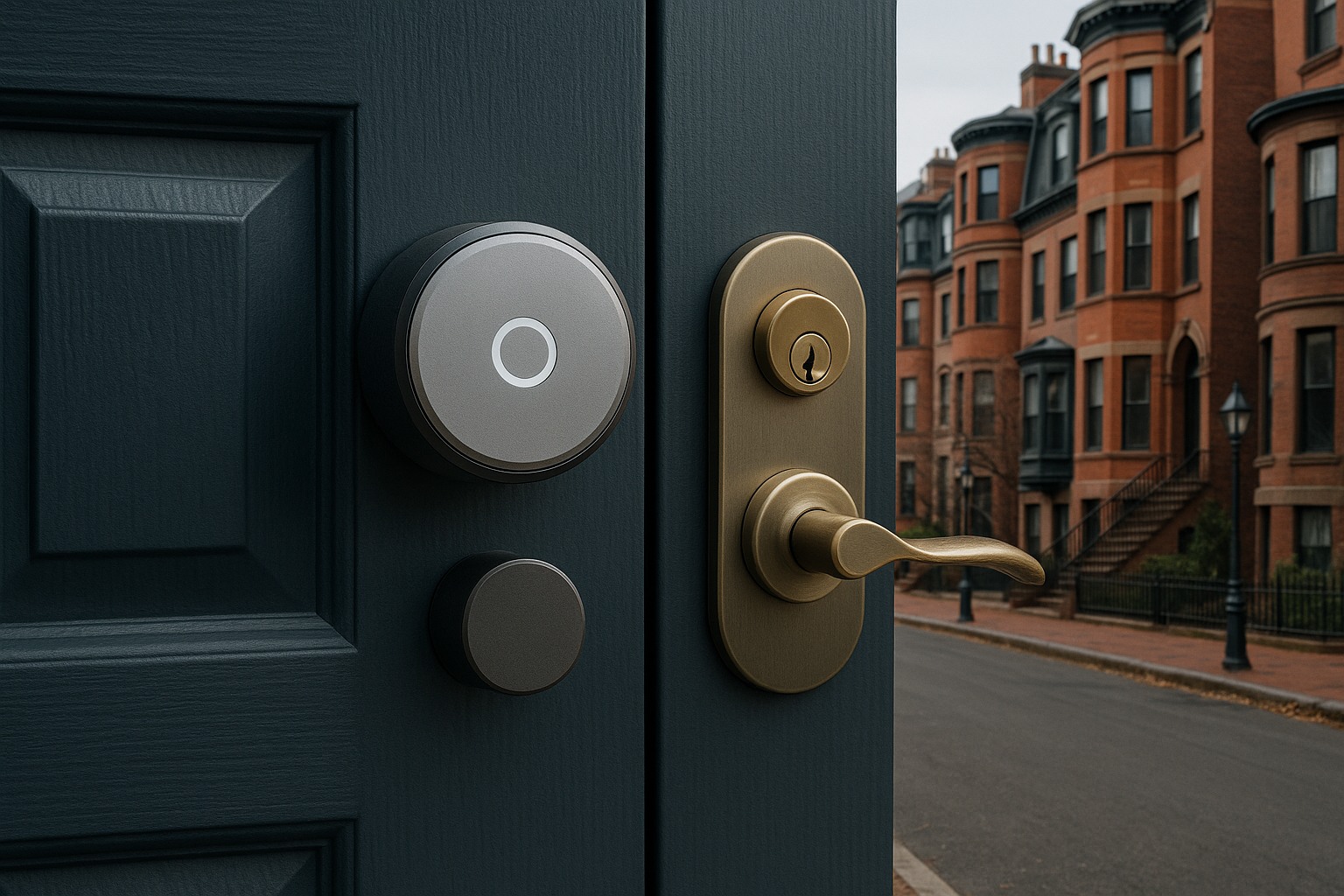
There's a moment most Boston homeowners experience at least once: standing in the rain outside your Brookline brownstone, fumbling through your bag for keys while grocery bags cut into your arms. Or maybe you're in Somerville, trying to let a contractor in while you're stuck in downtown traffic. These everyday frustrations have sparked a question we hear constantly at Astro Locks: should I switch to a smart lock, or stick with what's always worked? The short answer? It depends on your lifestyle, your home, and what keeps you up at night. After installing both types of locks across Greater Boston for over 20 years, we've learned there's no one-size-fits-all solution. Some homes genuinely benefit from smart technology, while others are better off with high-quality traditional locks. Let's walk through what you actually need to know, without the marketing hype or technical jargon.
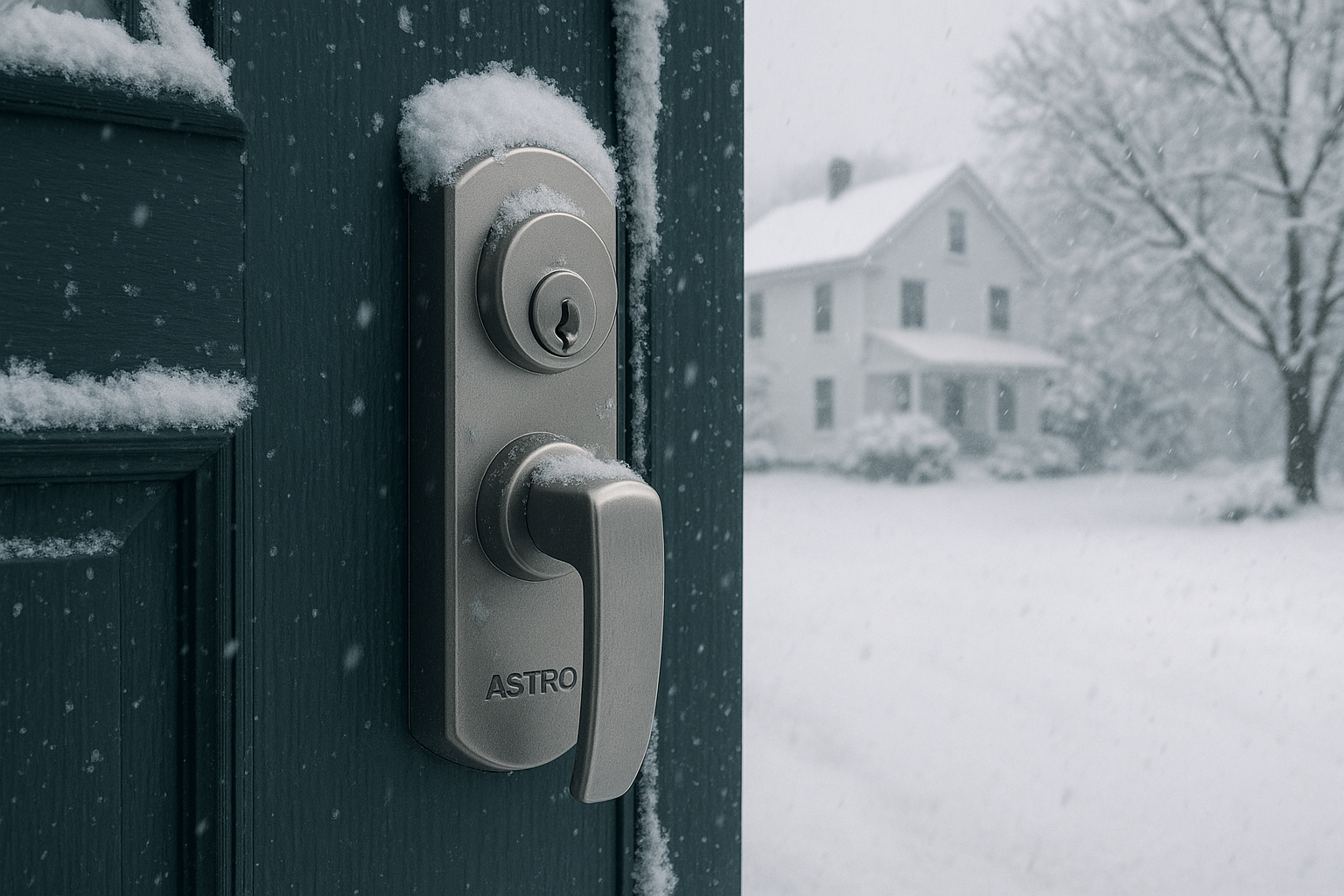
You know that moment when you're standing outside on a freezing January morning, already running late, and your key won't turn in the lock? Yeah, we've all been there. Welcome to winter in Massachusetts, where your door locks face some of the harshest conditions in the country. Here's what most Sharon homeowners don't realize: not all locks are created equal when it comes to surviving our winters. Some handle the cold like champs, while others might as well wave a white flag the moment temperatures drop below 20 degrees. If you've ever dealt with a frozen lock at 6 AM or struggled with a sticky deadbolt during a snowstorm, you already know how frustrating this can be. The good news? You don't have to put up with it. Let's talk about what actually works when Mother Nature decides to test your door hardware.

When you're standing at your front door juggling grocery bags, a coffee, and trying to fish your keys out of your pocket, you've probably thought: "There has to be a better way." Well, there is. Smart locks have gone from futuristic novelty to practical reality, and more Sharon homeowners are making the switch every year. But here's the thing – not every home needs a smart lock, and not every smart lock is right for every home. If you're trying to figure out whether it's time to upgrade from your traditional deadbolt, this guide will walk you through everything you need to know.
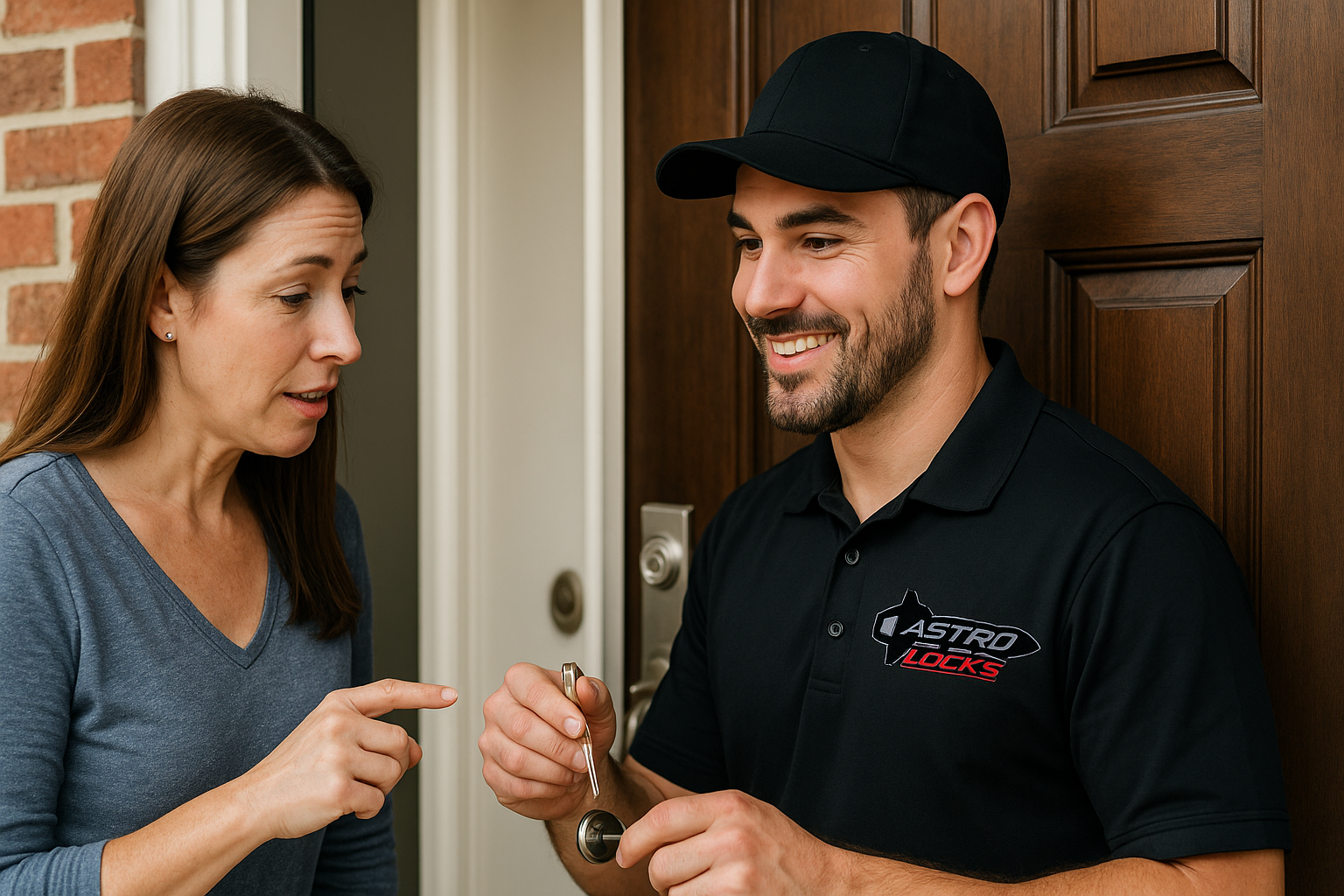
How combining traditional locksmith expertise with modern smart technology creates unbeatable home protection
After serving hundreds of Boston homeowners across neighborhoods from Beacon Hill to Jamaica Plain, we've noticed a troubling pattern. Many residents invest in alarm systems and security cameras while overlooking fundamental vulnerabilities that burglars exploit daily. The truth is, most break-ins succeed not because of sophisticated techniques, but because homeowners unknowingly leave their properties exposed through common security mistakes. As a trusted Boston locksmith company , we've been called to homes after break-ins where a simple $50 fix could have prevented thousands in losses and irreplaceable emotional distress. This guide reveals the seven most dangerous security mistakes we encounter and provides professional solutions you can implement immediately to protect your family and property.
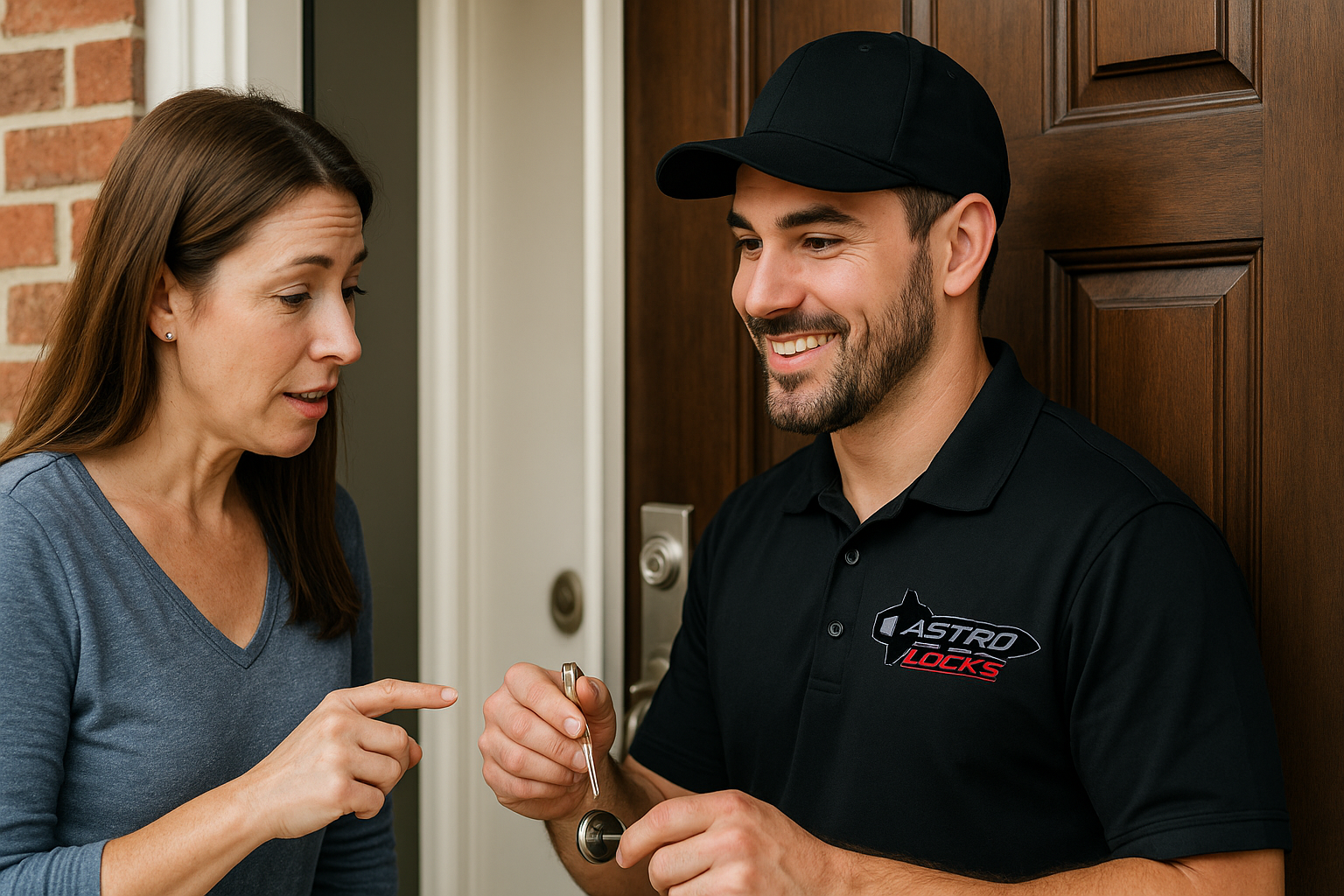
We get it. When your locks are "working well enough," upgrading your security system often falls to the bottom of your to-do list. Between mortgage payments, business expenses, and everyday life, spending money on new locks or access control systems can feel like an unnecessary luxury - especially when what you have still turns.
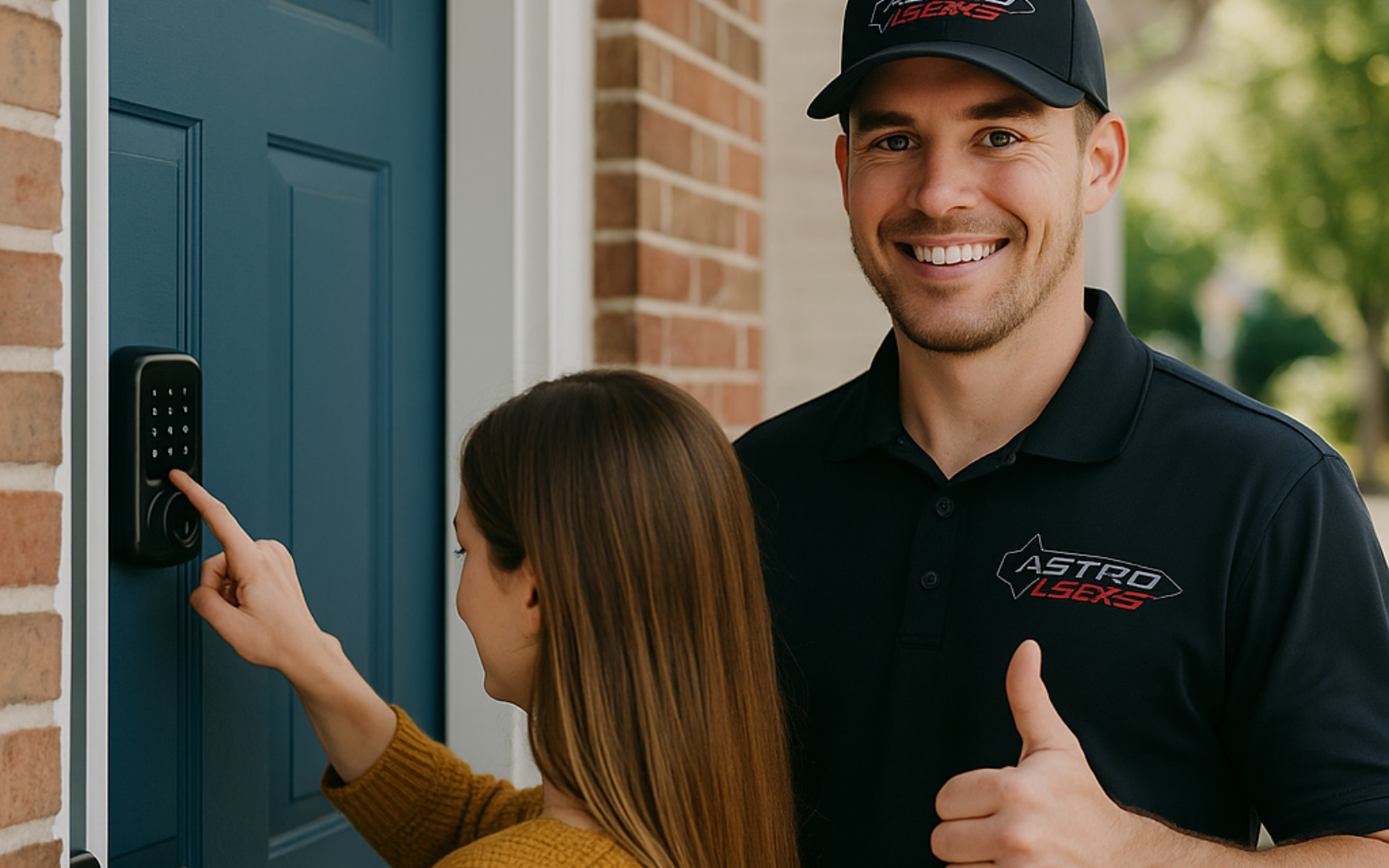
Discover why more Sharon homeowners are upgrading to smart locks in 2025. Learn how Astro Locks helps families enjoy security, convenience, and peace of mind.
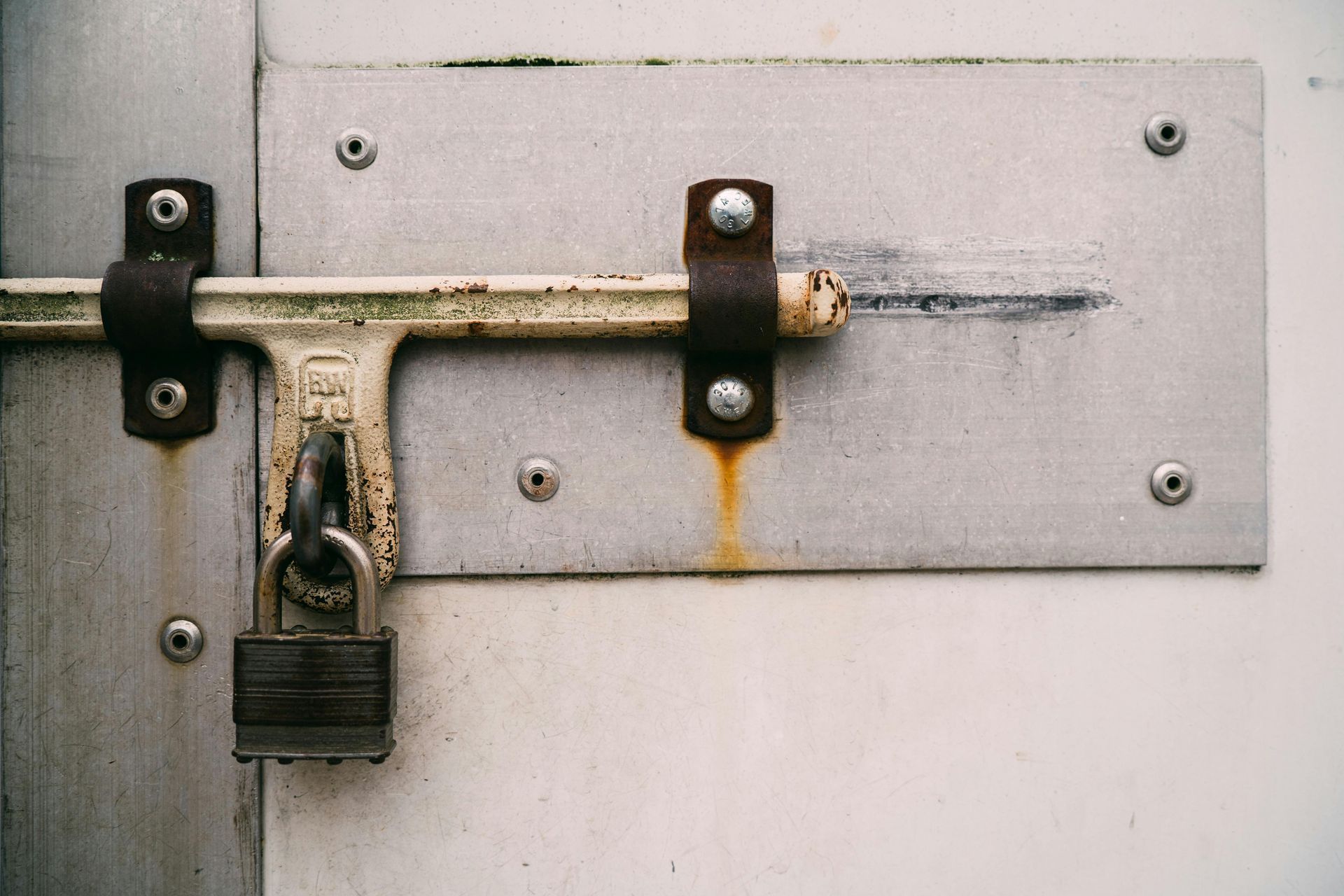
Updated: September 2025 Security threats are evolving faster than ever, and property owners across Boston are facing new challenges in protecting their homes and businesses. Whether you're a homeowner in Brookline, a property manager in Cambridge, or a business owner downtown, understanding the latest security trends and best practices isn't just smart - it's essential. This comprehensive guide breaks down everything you need to know about modern security systems, locksmith services, and the strategies that are keeping Boston properties safe in 2025. From smart lock technology to commercial access control systems, we'll cover the critical information that every property owner should understand.